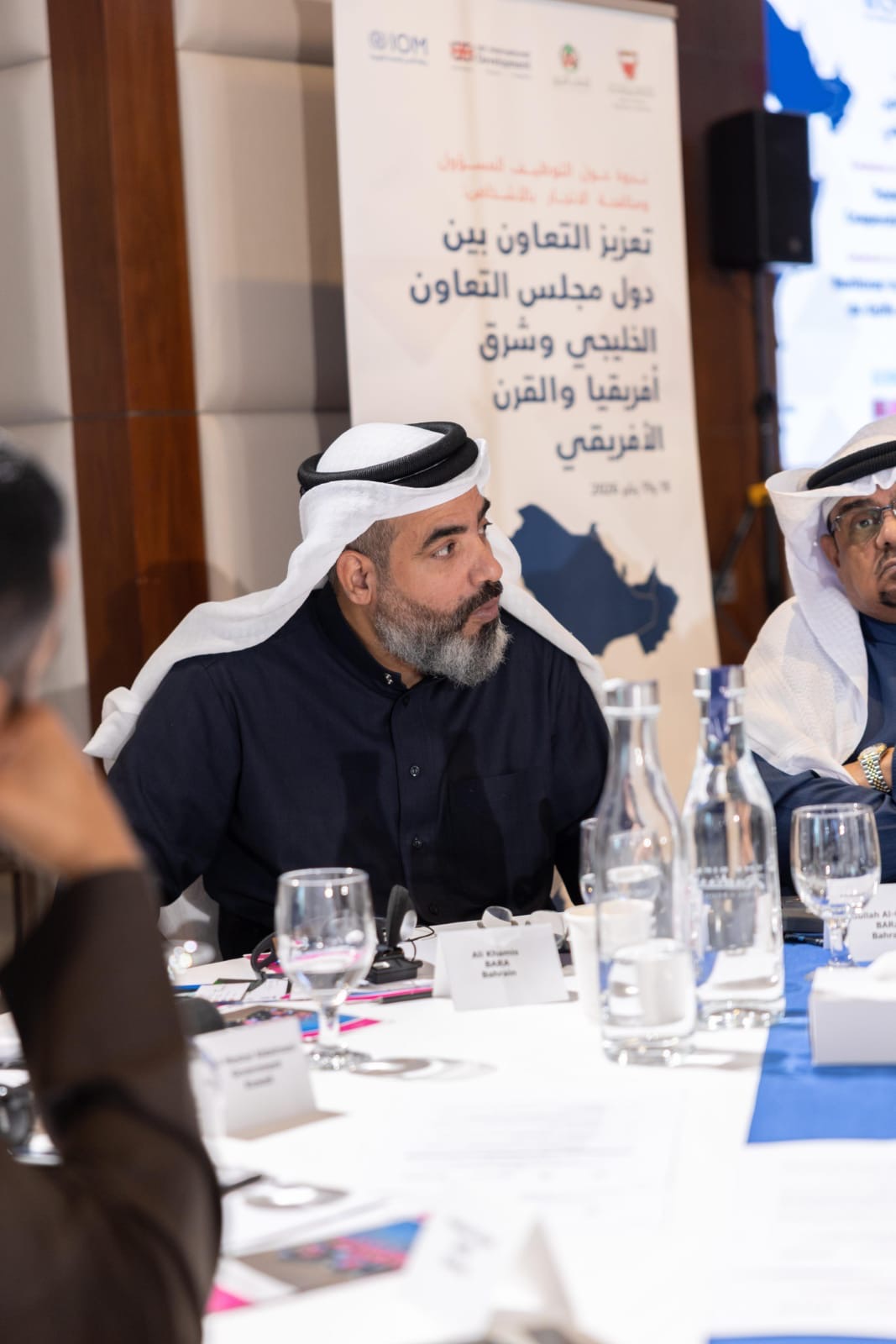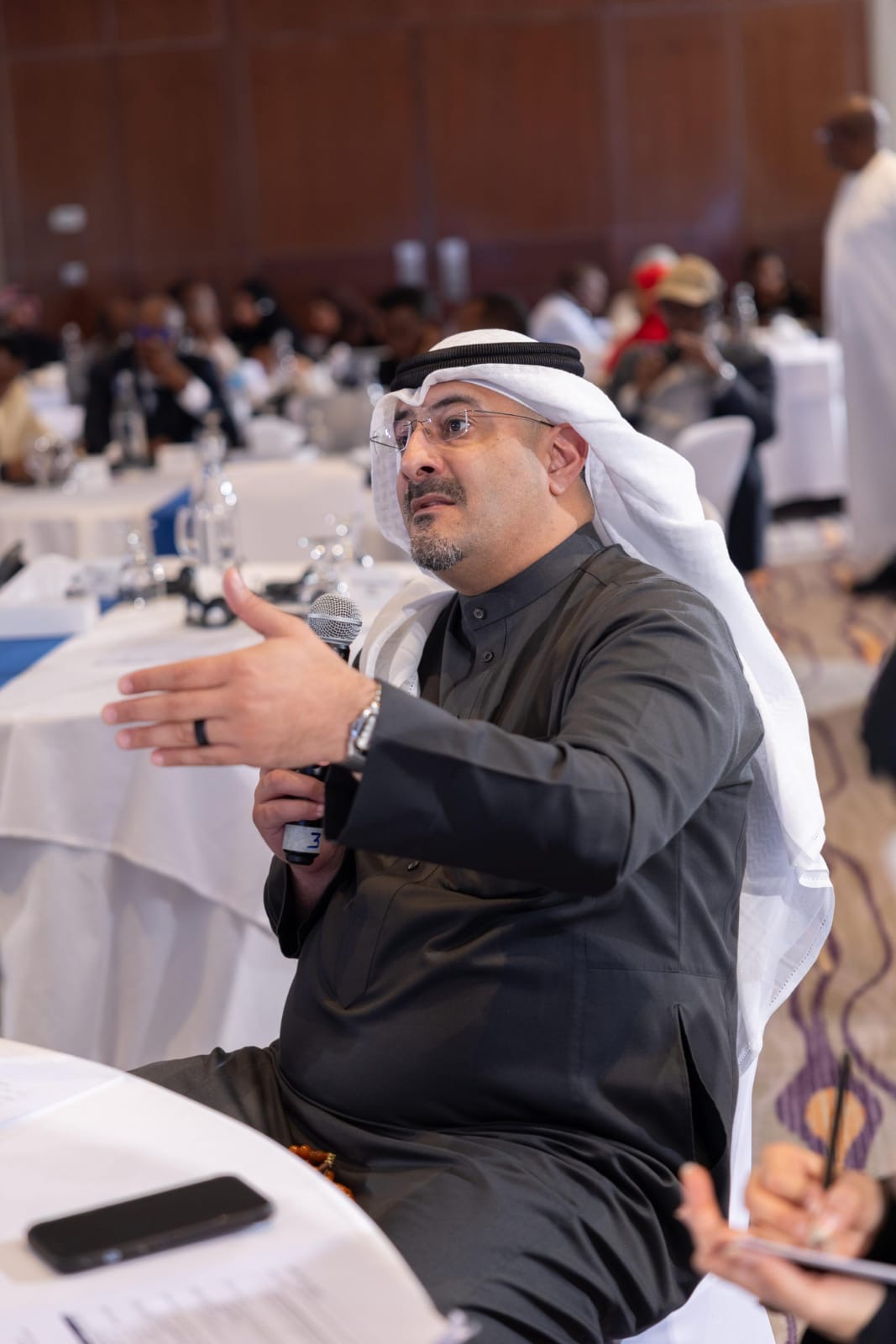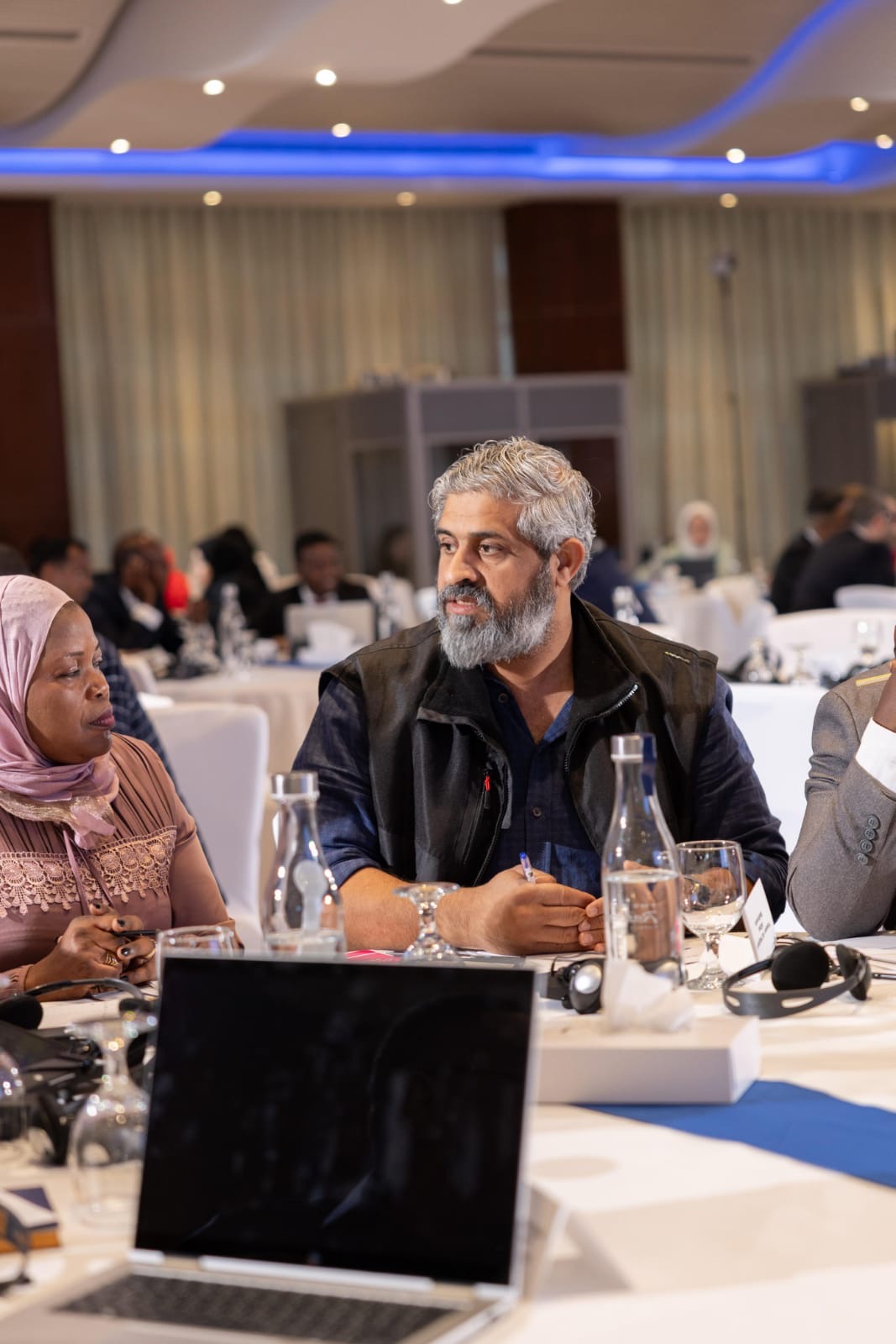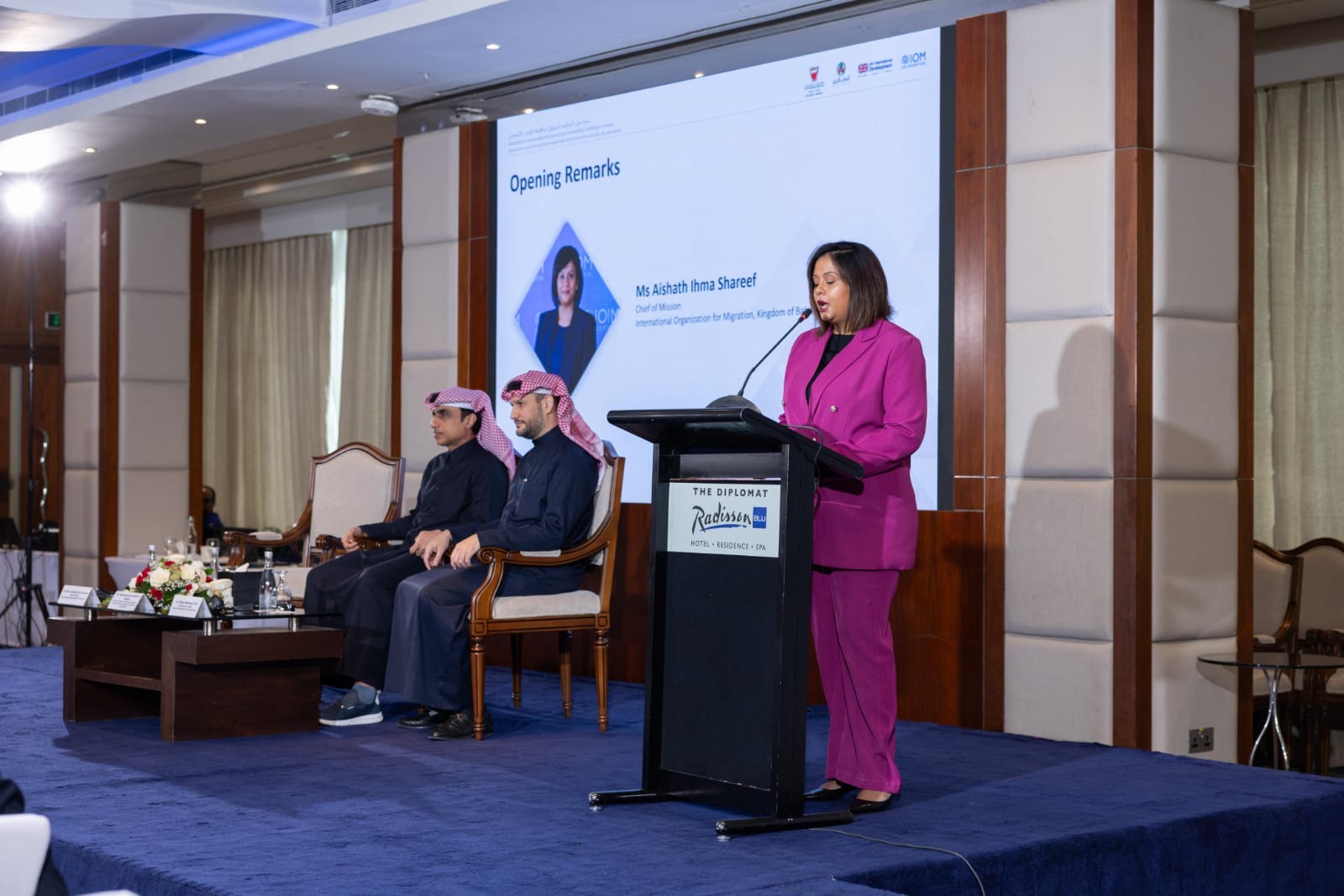
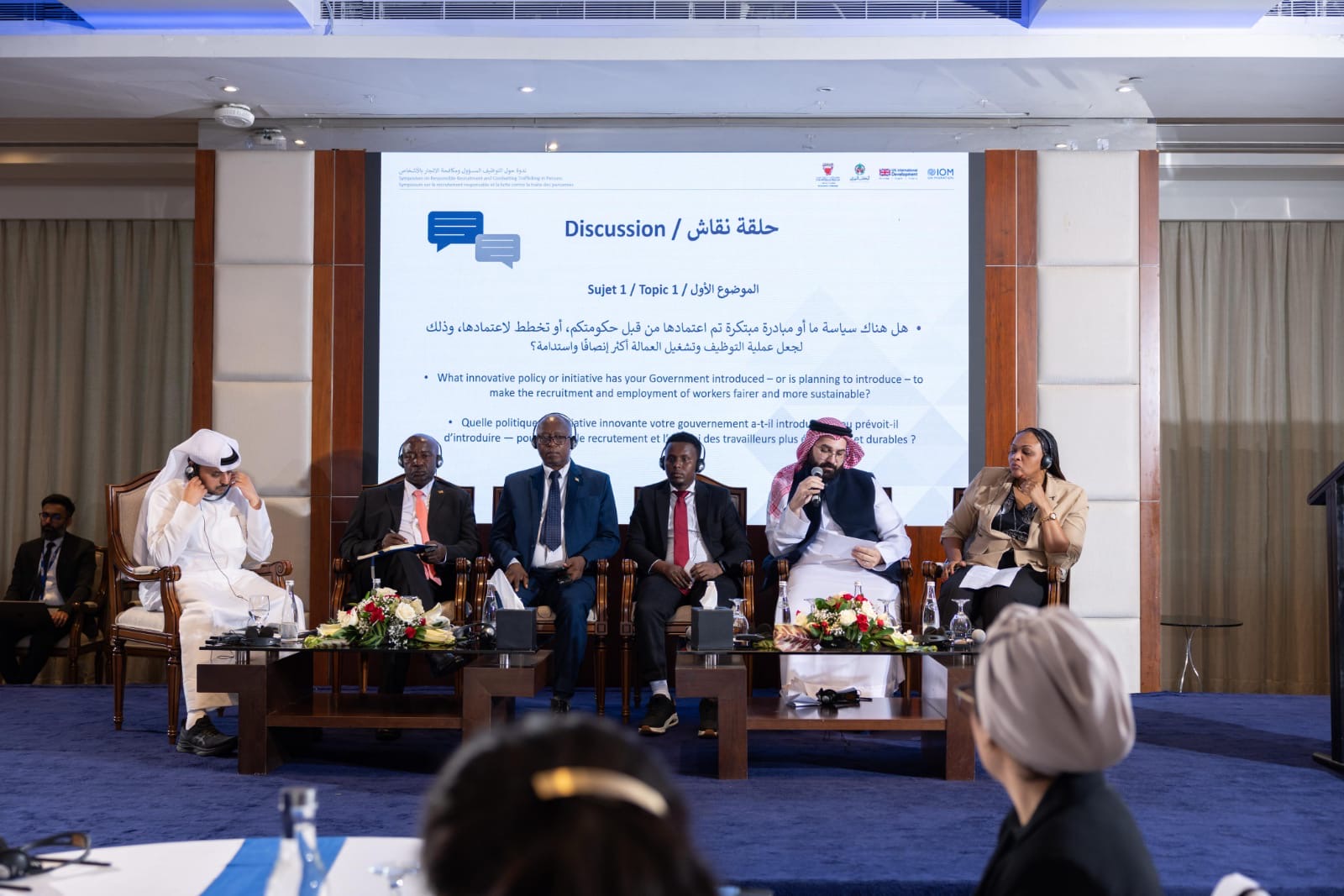
The Labour Market Regulatory Authority (LMRA), in cooperation with the International Organization for Migration (IOM) in the Kingdom of Bahrain, and in partnership with the Executive Bureau of the GCC Ministers of Labour and Social Affairs, organized a two-day Symposium on Responsible Recruitment and Combatting Trafficking in Persons: Fostering Collaboration between the Gulf Cooperation Council and East and Horn of Africa on 18–19 January 2026 in Manama.
The symposium brought together more than 120 participants from GCC countries and the East and Horn of Africa, including government officials, recruitment agencies, private sector representatives, and technical and vocational education and training institutions. Through interactive sessions, panel discussions, and networking activities, the symposium aimed to strengthen cross-regional cooperation to promote ethical and responsible recruitment practices, advance decent work, enhance skills mobility, and reinforce safeguards against trafficking in persons.
In his opening remarks, H.E. Mr. Nibras Talib, Chief Executive Officer of the Labour Market Regulatory Authority and Chairman of the National Committee for Combating Trafficking in Persons, emphasized the importance of shared responsibility across recruitment corridors, stating: “This symposium reflects our collective commitment to promoting ethical and responsible recruitment practices, strengthening the protection of workers’ rights, and enhancing cross-border cooperation. Combating trafficking in persons requires addressing risks across the entire recruitment and employment cycle, recognizing that such practices often originate in countries of origin or transit. Strengthening cooperation between the GCC and the East and Horn of Africa is essential to improving recruitment systems, enhancing worker protection, and advancing decent work in line with international standards.”
H.E. Mr. Mohammed bin Hassan AL-Obaidli, Director General of the Executive Bureau, affirmed that GCC countries attach great importance to aligning labour market needs with workforce skills by investing in training, adopting objective professional standards, and linking wages to competency and skills—thereby contributing to human capital development and supporting pathways toward sustainable economic and social development.
“Responsible recruitment is not only a matter of compliance, but of building trust and resilience across labour markets. By aligning regional efforts with international frameworks such as the UN Guiding Principles on Business and Human Rights, we can support ethical recruitment practices, strengthen worker protection, and foster sustainable partnerships across the GCC and the East and Horn of Africa,” said H.E. Mrs. Aishath Ihma Shareef, IOM Chief of Mission in Bahrain.
Discussions during the symposium explored challenges and opportunities across recruitment, employment, and return phases, highlighting the shared responsibilities of governments, employers, and recruitment agencies. Participants exchanged good practices, aligned understanding on responsible recruitment and trafficking in persons, and identified practical recommendations to strengthen coordination, improve compliance, and enhance worker protection across business operations and supply chains.